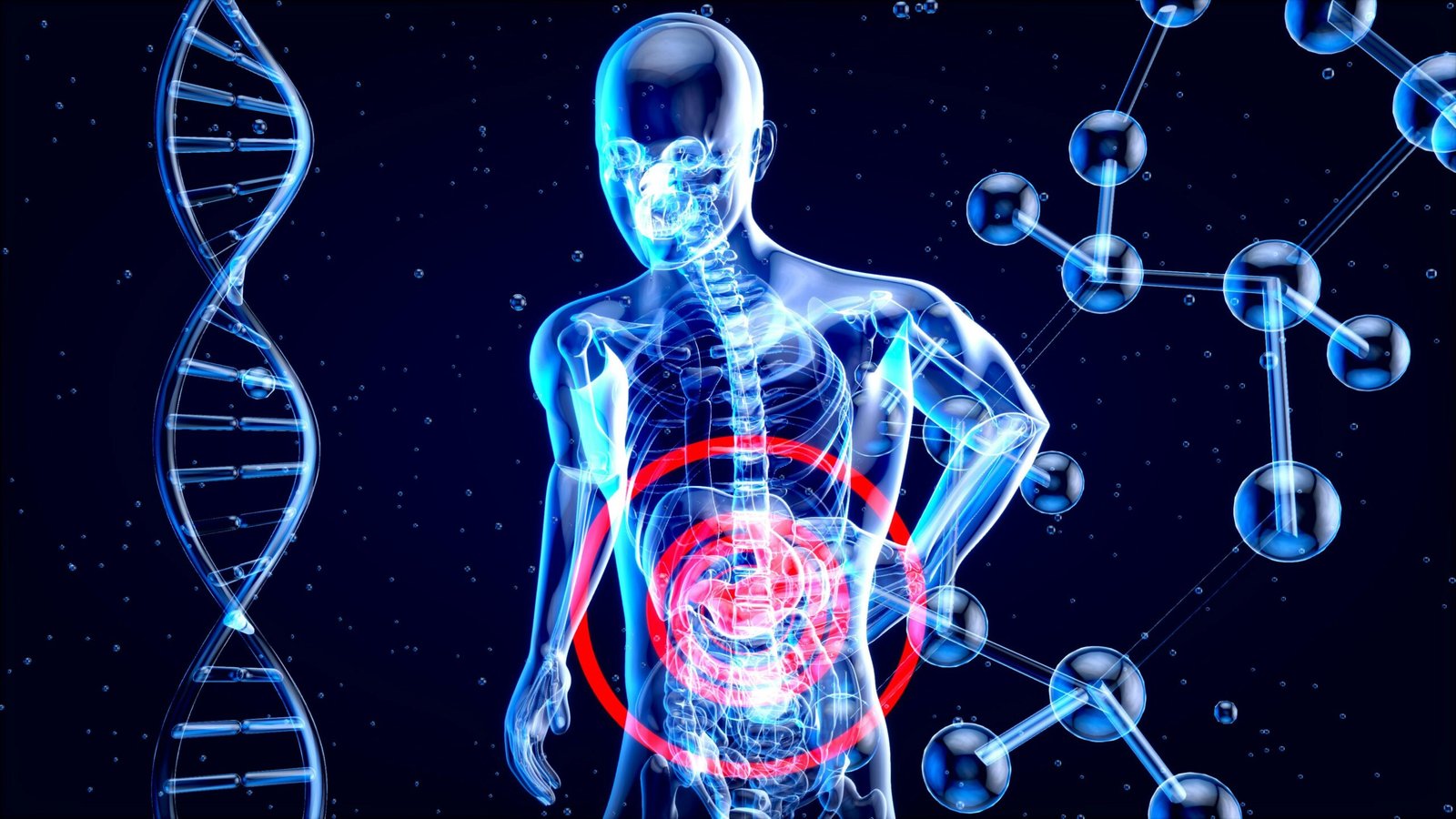

A Life with IBD
Imagine dealing with chronic abdominal pain, constant fatigue, and frequent diarrhea. Now imagine these symptoms interfering with your daily life—at work, social events, and even simple outings. For millions of people worldwide, this is the reality of living with Inflammatory Bowel Disease (IBD), a group of disorders that cause inflammation in the digestive tract.
The journey of managing IBD—whether it’s Crohn’s disease or ulcerative colitis—can feel isolating. But knowledge is power. Understanding the disease, recognizing its symptoms early, and knowing the treatment options can make a huge difference. In this post, we’ll break down everything you need to know about IBD, from its symptoms and causes to its treatments and coping strategies.
What is Inflammatory Bowel Disease?
Inflammatory Bowel Disease (IBD) is a term used to describe two primary conditions that cause chronic inflammation of the digestive tract:
- Crohn’s Disease: This condition can affect any part of the digestive tract, from the mouth to the anus. The inflammation in Crohn’s disease often extends deep into the tissues and can cause complications like fistulas or strictures.
- Ulcerative Colitis: This primarily affects the colon and rectum, with the inflammation being limited to the innermost lining of the bowel. It can lead to ulcers and in some cases, colon cancer.
For individuals like Sarah, a 29-year-old living with Crohn’s disease, it can be a constant battle. “I never knew when the pain would hit. It made me anxious to leave the house or even attend work events,” Sarah says. But with the right information and management, it’s possible to live a full life, despite the challenges.
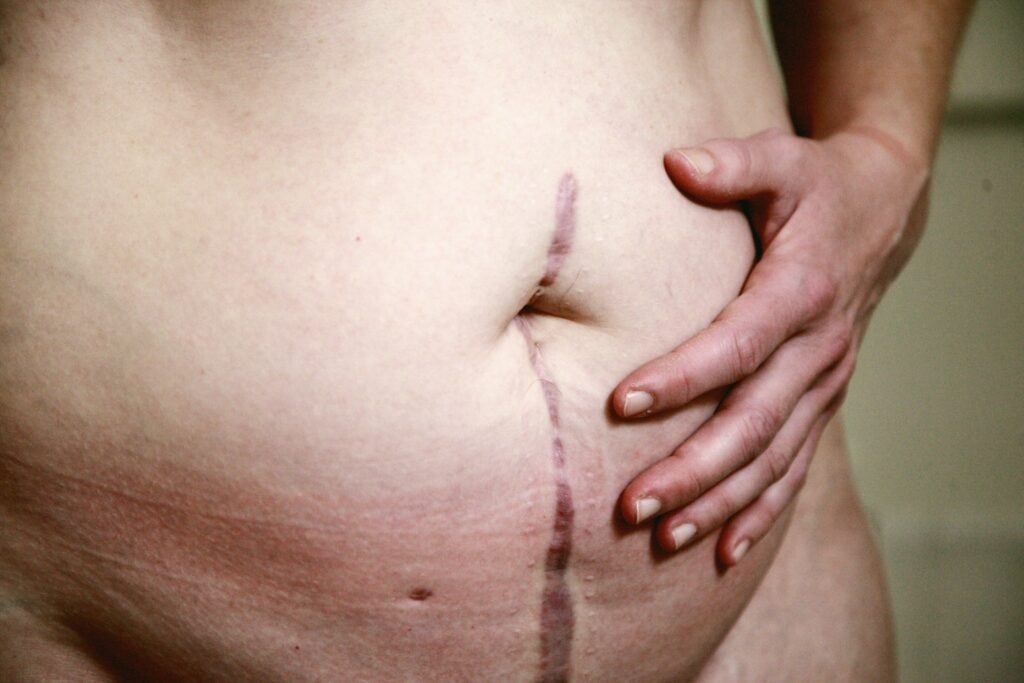
Symptoms of IBD: Recognizing the Warning Signs
The symptoms of IBD can vary greatly from person to person, but some common symptoms include:
- Abdominal pain and cramping
- Chronic diarrhea, sometimes with blood or mucus
- Fatigue and feeling weak
- Unexplained weight loss
- Fever
Other symptoms can include joint pain, mouth ulcers, and skin problems, which are known as extra-intestinal manifestations.
Dr. Johns Hopkins, in their recent studies, highlights the importance of recognizing these early symptoms for early diagnosis and intervention. This helps reduce the severity of flare-ups and complications.
In the case of James, who’s lived with ulcerative colitis for 8 years, he recalls his first symptoms: “I just thought it was a stomach bug. But when the symptoms persisted for weeks, I knew something was wrong.”
What Causes Inflammatory Bowel Disease?
The exact cause of IBD is still not entirely understood, but researchers have identified several factors that contribute to its development:
1. Genetic Factors
People with a family history of IBD are at higher risk. Specific genetic markers have been identified that may increase the likelihood of developing IBD.
2. Immune System Dysfunction
In individuals with IBD, the immune system attacks the gastrointestinal tract, mistakenly identifying normal bacteria as threats. This causes chronic inflammation in the intestines.
3. Environmental Triggers
- Diet: Certain dietary habits, like a high-fat diet, have been linked to triggering IBD symptoms.
- Smoking: Smoking is a known risk factor for Crohn’s disease, although it seems to have a protective effect for ulcerative colitis.
According to the Cleveland Clinic, environmental triggers can also include stress, infections, or antibiotic use.
How is IBD Diagnosed?
If you or a loved one is experiencing symptoms of IBD, seeing a healthcare provider is crucial. The diagnostic process typically includes:
- Medical History and Physical Exam: Your doctor will ask about your symptoms and family history of IBD.
- Colonoscopy: This is the gold standard for diagnosing IBD. During the procedure, a flexible tube with a camera is inserted into your colon to look for signs of inflammation or ulcers.
- Blood and Stool Tests: Blood tests check for anemia, elevated inflammatory markers, and infections, while stool tests help rule out other causes like infections.
- Imaging: CT scans, MRIs, and X-rays may be used to see the extent of the disease.
Treatment Options for Inflammatory Bowel Disease
There’s no cure for IBD, but several treatments can help manage symptoms and achieve remission. These treatments include:
1. Medications
- Aminosalicylates (5-ASA drugs): These are often used to treat mild-to-moderate cases of IBD, especially ulcerative colitis.
- Corticosteroids: These medications help control inflammation during flare-ups but are typically not recommended for long-term use.
- Immunomodulators: These drugs, like azathioprine and methotrexate, suppress the immune system to reduce inflammation.
- Biologic Therapies: For moderate to severe cases, biologics like TNF inhibitors (infliximab, adalimumab) are used to block specific molecules involved in inflammation.
2. Surgery
In cases where medications are ineffective, surgery may be required. For ulcerative colitis, a colectomy (removal of the colon) may be necessary. For Crohn’s disease, surgery might involve bowel resection.
3. Diet and Lifestyle Modifications
- Dietary adjustments: A low-residue diet, avoiding foods that trigger symptoms, and eating smaller, more frequent meals can help.
- Stress management: Practices like yoga, meditation, and mindfulness can help reduce flare-ups related to stress.
Sarah found that managing her symptoms meant adopting a healthier diet and practicing mindfulness techniques. “It wasn’t just about the medicine. It was about finding peace of mind, too,” she says.
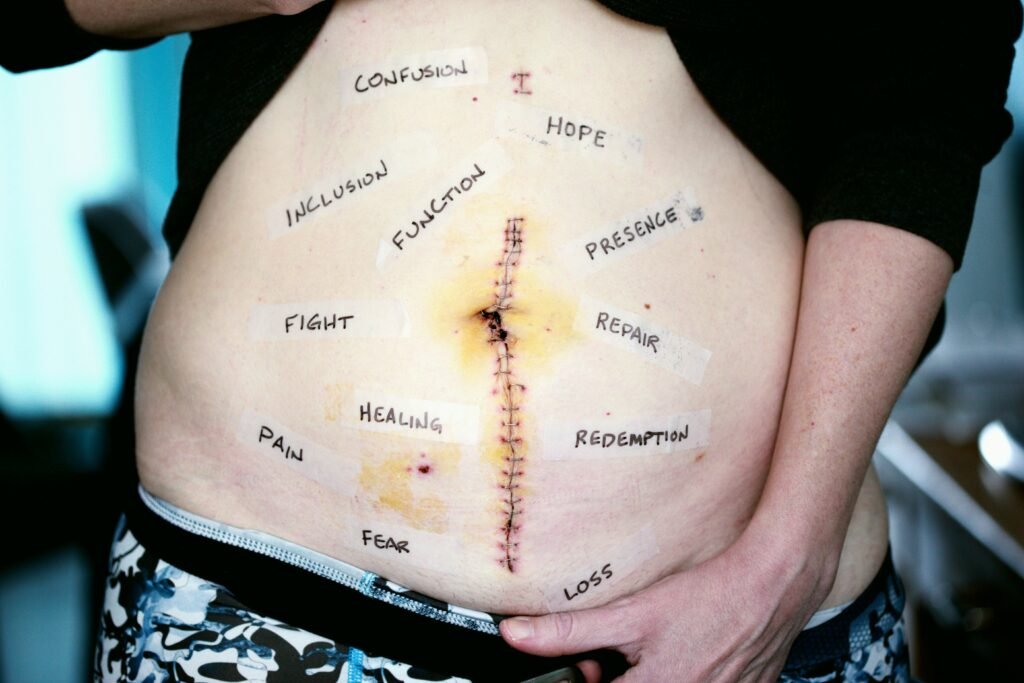
Living with Inflammatory Bowel Disease: Coping Strategies
Living with IBD can be challenging, but it is possible to manage symptoms and live a fulfilling life. Here are some coping strategies:
1. Join Support Groups
Connecting with others who have IBD can provide emotional support and help you feel less isolated.
2. Monitor Your Symptoms
Keep track of symptoms, diet, and triggers. This can help you identify patterns and avoid foods or situations that might cause flare-ups.
3. Seek Professional Help
Regular consultations with your doctor, nutritionist, or therapist can help you manage your condition better. Comprehensive care is crucial for effective symptom management.
Managing IBD for a Better Life
Although Inflammatory Bowel Disease is a chronic condition, with the right treatment, diet, and lifestyle changes, you can manage it and live a full life. Early diagnosis, consistent monitoring, and a personalized treatment plan can make a significant difference in quality of life.
If you suspect you have symptoms of IBD, it’s essential to seek professional advice early. With the right care and support, managing IBD is not only possible, but it can also help you lead a productive, healthy life.