
The Morning Rush: A Common Struggle
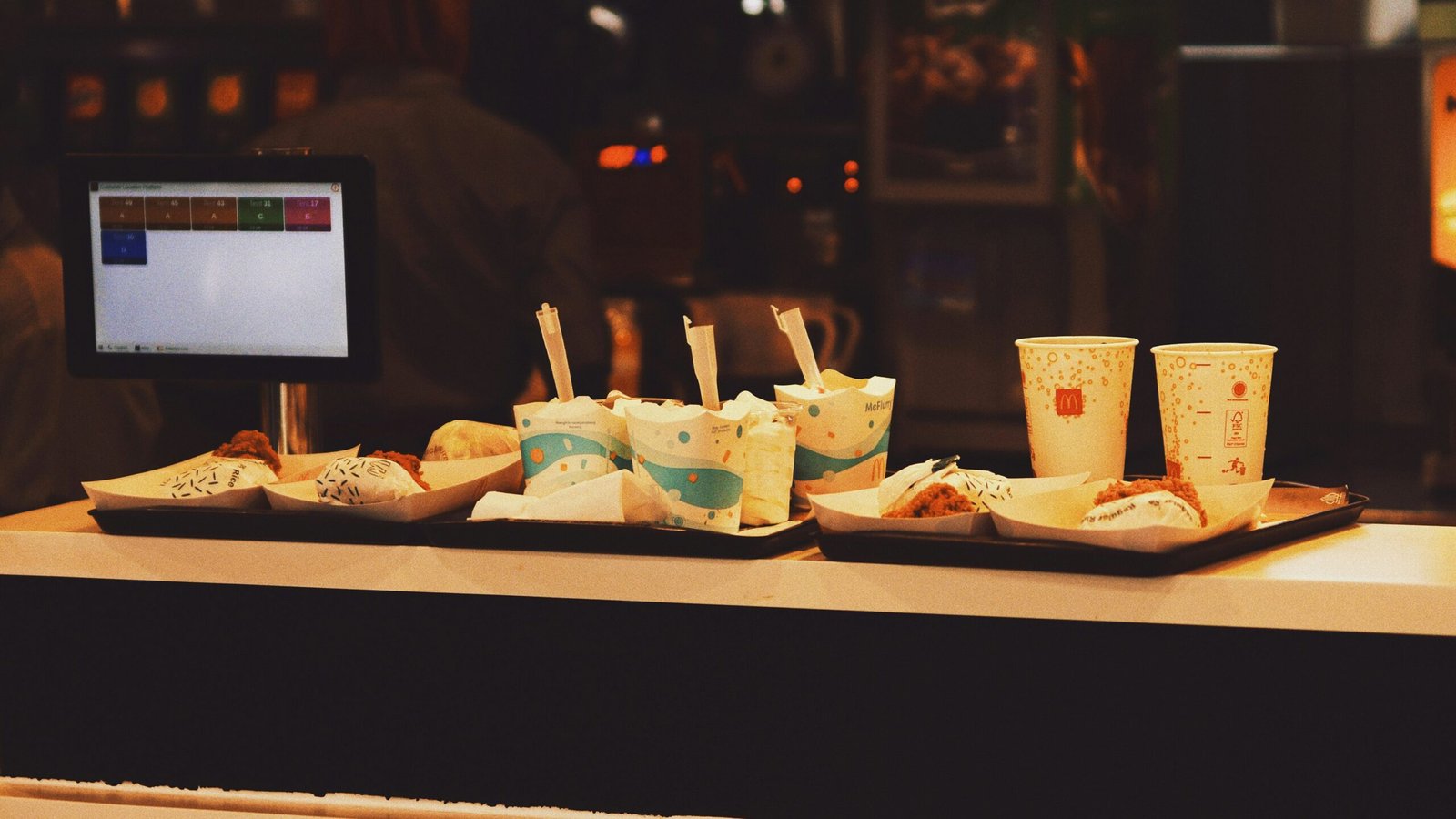
It’s 7:30 AM, and the morning chaos is already in full swing. The alarm didn’t go off, coffee is spilling over, and work emails are piling up. In the rush to get out the door, breakfast is the last thing on the mind. As hunger strikes on the drive to work, the familiar fast food drive-thru beckons. A quick breakfast sandwich and coffee sound like the perfect solution.
But as the car idles in line, a thought creeps in—Is this really the best choice for my health? Can I still grab something quick and not feel guilty?
The answer is yes. With the right choices, fast food can fit into a healthy routine, even when life gets busy. You don’t have to sacrifice convenience for nutrition.

What’s Really Inside Fast Food?
Fast food is often seen as unhealthy due to its high levels of saturated fat, sugar, salt, and processed carbs. Over time, these ingredients can have a significant impact on your health, leading to heart disease, diabetes, and obesity if consumed in excess. However, not all fast food is created equal.
Many fast food chains now offer healthier menu options that are low-calorie, high-protein, and rich in fiber. If you know what to look for, you can enjoy the convenience of fast food while still maintaining your health. The key is making informed choices.
Can Fast Food Be Healthy?
Yes, it absolutely can be! Fast food doesn’t have to be your enemy. The trick is making smarter choices and modifying your meal when needed. You don’t need to ditch fast food completely—just make it work for you.
Here are some simple strategies to turn your fast food into a healthier option:
1. Focus on Lean Proteins and Vegetables
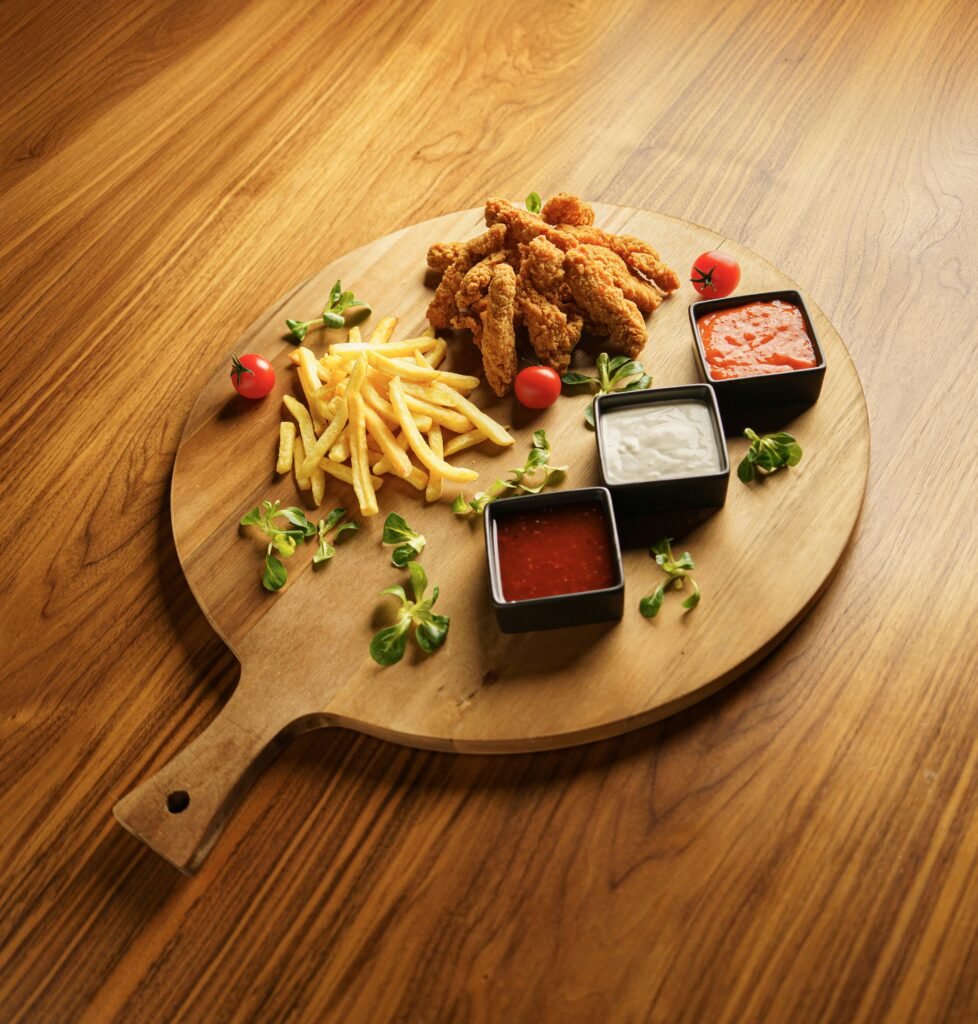
Fast food meals often come with fried proteins and fried sides like chicken tenders and French fries. While they’re tasty, these options are also loaded with unhealthy fats and empty calories.
Instead, look for grilled or baked proteins. Grilled chicken, fish, or even tofu are healthier choices compared to their fried counterparts. Not only are they lower in fat, but they also provide the protein your body needs for energy and muscle maintenance.
Also, make sure to add vegetables to your meal. Fast food is typically low in fiber, which is important for digestion and feeling full longer. Many restaurants now offer salads, vegetable wraps, and veggie sides. Even adding extra veggies to a sandwich can make a big difference in boosting the nutritional value of your meal.
For example, if you’re at a fast food restaurant, try adding extra tomatoes, lettuce, or onions to your sandwich, or ask for a side salad instead of fries. These small adjustments can help you load up on fiber, vitamins, and minerals while still enjoying your meal.
2. Choose Whole Grains Over Refined Carbs
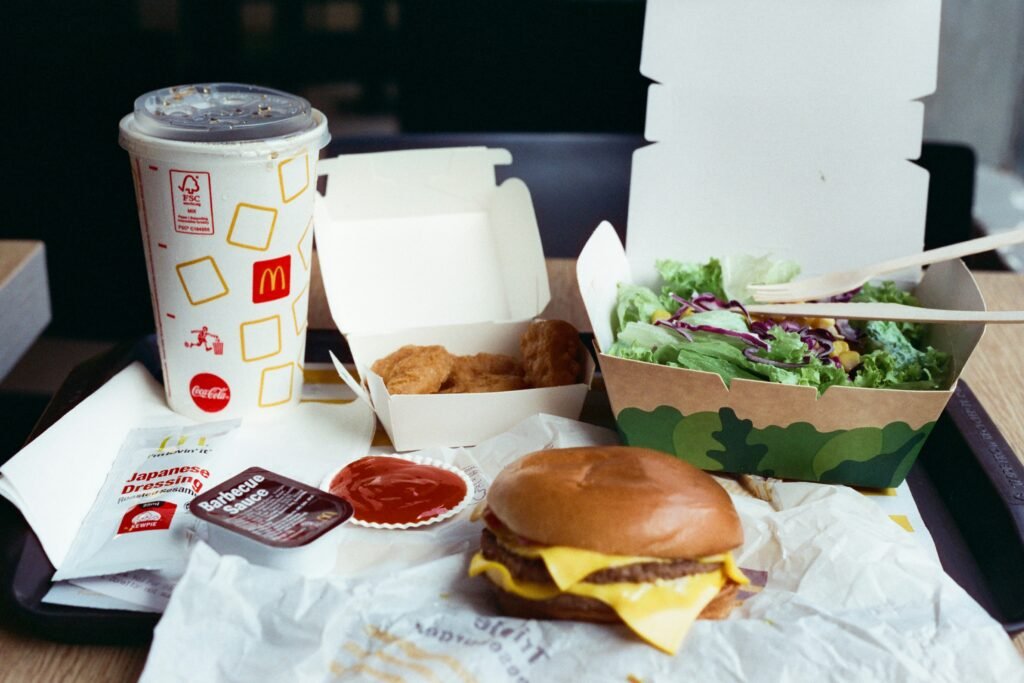
If you’ve ever eaten fast food, you know that white bread and refined carbs are staples in most meals—think burgers, wraps, or pizza crusts. But these refined carbs can spike your blood sugar and leave you feeling tired and hungry soon after eating.
Instead, opt for whole grains. Many restaurants now offer whole wheat bread, brown rice, or even quinoa as alternatives to refined carbs. These options are packed with fiber, which helps slow down digestion and prevents rapid blood sugar spikes. Whole grains also provide steady energy and help you feel full for longer.
Next time you’re at a fast food spot, consider swapping your white bread bun for a whole wheat one or ordering brown rice instead of regular white rice. This can make your meal not only healthier but more filling.
3. Customizing Your Meal
One of the best parts about fast food is that you can customize your order. Fast food chains often give you the option to make adjustments, so don’t be afraid to ask for healthier options. A few simple modifications can dramatically reduce the calorie content and improve the nutritional value of your meal.
Here are some ideas:
- Ask for grilled instead of fried: Whether it’s chicken, fish, or veggies, grilling is always a healthier choice.
- Request dressing on the side: Salad dressings are often full of sugar and calories. By asking for it on the side, you can control how much you use.
- Skip the fries: Instead of fries, ask for a side salad, fruit cup, or grilled veggies.
- Add extra veggies: Many fast food places will gladly add extra veggies to your sandwich, salad, or wrap. Load up on tomatoes, lettuce, and spinach for added nutrients.
These small changes make a huge difference in improving the healthfulness of your meal while still enjoying your favorite fast food flavors.
4. Watch Your Portion Sizes
The portions at fast food restaurants are often huge, and eating too much can lead to overeating and unnecessary calorie intake. A large meal may seem like a good deal, but it’s often packed with excess fats and sugars that your body doesn’t need.
Here are some tips for managing portion sizes:
- Order a smaller size: Most fast food chains offer regular, medium, and large portions. Opt for the smallest size to keep your calories in check.
- Share meals: If you’re dining with a friend, consider sharing your meal. Not only will it cut down on portion sizes, but you’ll also save money.
- Take leftovers home: If you’ve ordered more than you can eat, don’t be afraid to ask for a to-go box. You can enjoy the leftovers later, which helps avoid overeating.
Managing your portion sizes helps you control the number of calories you’re eating, which is key to maintaining a healthy weight and supporting your metabolism.
5. Drink Water, Not Sugary Beverages
One of the biggest culprits of excess calories in fast food is the beverage. A large soda or sugary milkshake can add hundreds of calories to your meal without providing any nutritional benefit.
To avoid these empty calories, choose water or unsweetened iced tea instead. Not only will this help you stay hydrated, but it will also help you avoid the blood sugar spikes that come with sugary drinks. If you want a bit of flavor, ask for lemon or lime to add a refreshing twist to your water.
By swapping sugary drinks for healthier options, you’ll significantly reduce your calorie intake while improving your overall hydration.
6. Healthier Fast Food Options at Popular Chains
Now that we’ve discussed how to make healthier fast food choices, let’s take a look at some examples from popular fast food chains. With a little planning, you can enjoy a tasty meal that aligns with your health goals.
- McDonald’s: The Egg McMuffin (without butter) offers 17 grams of protein and only 6 grams of saturated fat. It’s a filling, balanced breakfast option.
- Subway: The 6-Inch Black Forest Ham sandwich with veggies and avocado is a great choice, offering 21 grams of protein and 3 grams of fiber.
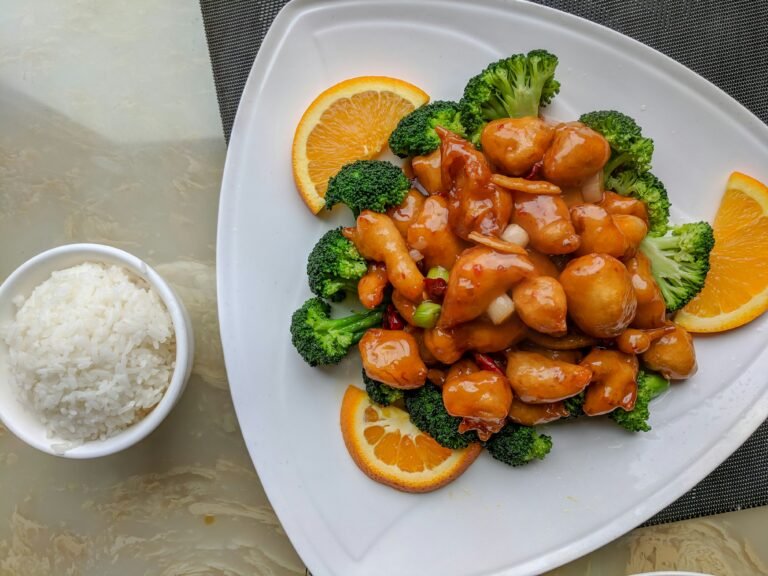
- Panda Express: The Chili Crisp Shrimp Wok Smart Meal has 13 grams of protein and only 210 calories, making it a great low-calorie, high-protein option.
- Chipotle: Build your own burrito bowl with grilled chicken, black beans, brown rice, and extra veggies for a nutrient-dense, filling meal.
These options are just a few examples of how you can enjoy fast food without compromising your health. By choosing grilled proteins, adding extra veggies, and avoiding fried items, you can make your fast food meal both satisfying and healthy.
Healthy Fast Food Tips for Busy Days
Life is busy, and sometimes, fast food is the only option. Here’s how to make the best choices when you’re in a rush:
- Plan Ahead: Look up the restaurant’s menu online before you go. This will allow you to pick healthier options in advance and avoid impulse decisions when you get to the counter.
- Choose Grilled: Always opt for grilled options over fried ones. Grilled meats are leaner and have fewer calories.
- Mindful Eating: Take your time to eat and listen to your body. Eating too quickly can lead to overeating. By slowing down and paying attention to how full you feel, you’ll be more likely to stop when you’ve had enough.
- Healthy Snacks: If you’re often on the go, keep healthy snacks with you, like nuts, fruit, or protein bars. This way, you can avoid the temptation of unhealthy options when hunger strikes.
Conclusion: It’s All About Making Smarter Choices
So, can fast food be healthy? Absolutely! By making small but significant changes, you can enjoy fast food without compromising your health. Whether it’s choosing lean proteins, opting for whole grains, or customizing your order, there are plenty of ways to turn your fast food meal into a healthier option.
The key is moderation, mindfulness, and a little planning. The next time you find yourself in a rush and craving fast food, remember—there are always healthier choices available. You can still grab something quick, enjoy your meal, and feel good about it.
Fast food doesn’t have to be your enemy. With the right approach, it can be part of a balanced, healthy1 lifestyle. So, the next time you’re heading through the drive-thru, make a smart choice, and fuel your body with the goodness it deserves.