
Introduction
The dying process is a natural part of life, yet it can be difficult to recognize and understand when someone we love is nearing the end. Whether you are a caregiver, a family member, or even someone experiencing a terminal illness, knowing the signs of dying is essential for offering comfort and preparing for what lies ahead. This guide will explore physical changes near death, the stages of dying, and the emotional and spiritual signs that signal the body and mind’s readiness for death.
Recognizing these end-of-life signs can bring peace of mind and ensure that the final days are as comfortable as possible. By understanding these signs, you can make informed decisions about end-of-life care and provide the best support for your loved one during this difficult time.
What Are the Signs of Dying?
When someone is nearing death, their body begins to show a series of physical changes and emotional signs that indicate the end is near. These signs can vary, but understanding them is crucial for providing effective care and comfort.
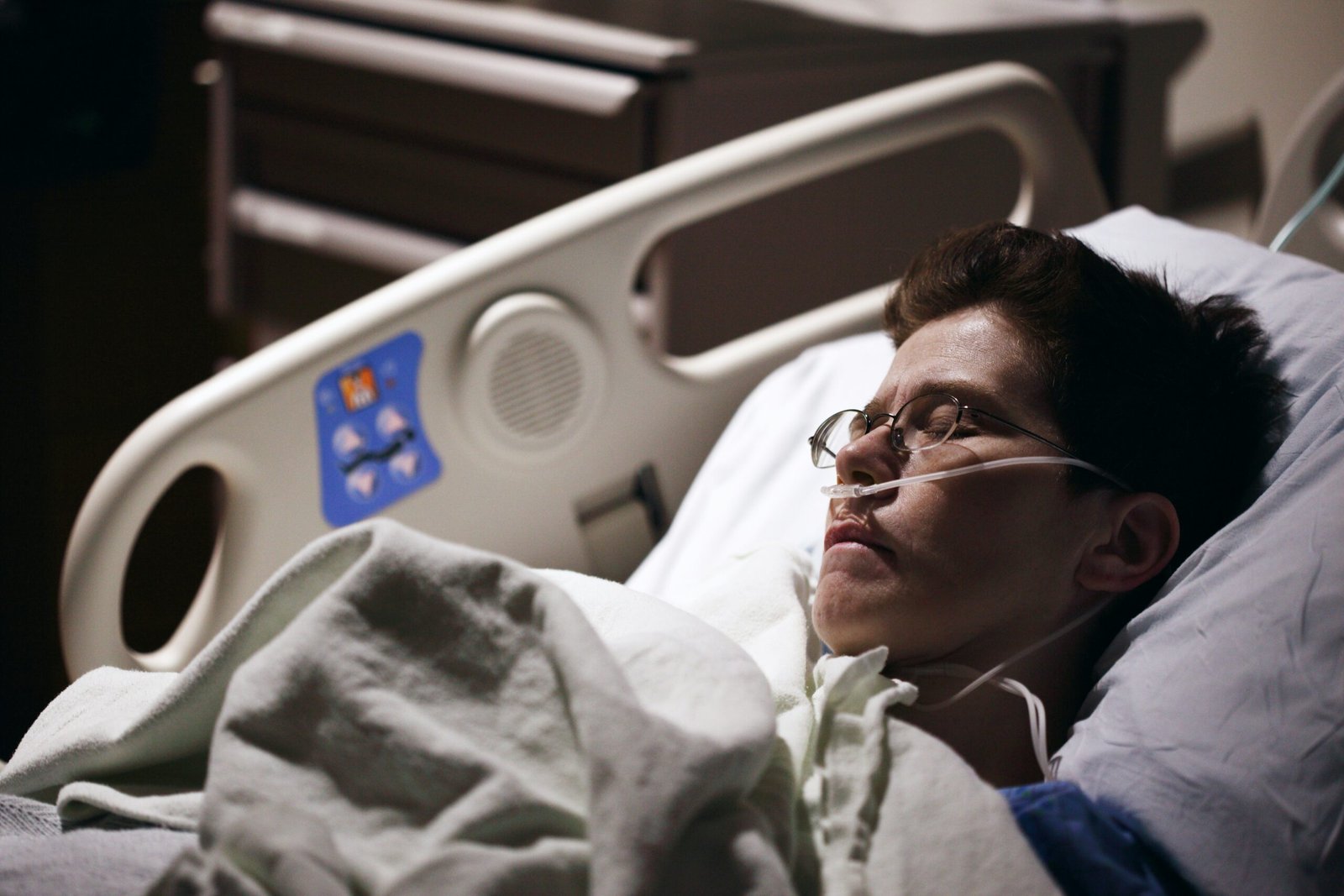
- Irregular Breathing: One of the most common signs of death in elderly and terminally ill patients is a change in breathing patterns. The person may experience Cheyne-Stokes breathing, where breathing alternates between periods of deep breaths and shallow breaths, or long pauses in breathing.
- Mottling and Skin Changes: As the body begins to shut down, blood flow to the extremities decreases. This can cause the skin, especially on the hands, feet, and legs, to appear mottled or take on a bluish or pale color.
- Cold Extremities: Cold feet and hands are another sign of approaching death. This occurs because circulation slows down as the body conserves energy.
- Loss of Appetite and Thirst: In the final stages, many individuals will lose interest in food and drink. This is often seen in terminally ill patients who have little desire to eat or drink, as their body no longer requires nourishment in the same way.
- Unresponsiveness or Drowsiness: As death approaches, a person may spend more time sleeping and may become less responsive. At times, they might be unable to communicate or recognize loved ones.
Understanding these physical changes near death can help you prepare emotionally and logistically for what is to come. For more detailed information on recognizing the physical signs of dying, visit Hospice Foundation of America.
The Emotional and Psychological Signs of Dying
In addition to the physical signs of dying, it’s also important to recognize the emotional and psychological changes that may occur during this time. These shifts can offer valuable insight into a person’s experience as they near the end of life.
- Confusion and Delirium: A person in the final stages of life may become confused, disoriented, or even hallucinate. This is often due to the body’s inability to function properly and the decreasing levels of oxygen.
- Withdrawal: As death nears, individuals may become more withdrawn and desire solitude. This is part of the emotional process of preparing to let go, and it is important to honor their wishes.
- Increased Desire for Closure: Many terminally ill patients may express a need to resolve unfinished business or speak about life’s deeper questions. This could include moments of clarity where they speak about their life experiences, seek forgiveness, or express gratitude.
For more insights into the emotional signs of dying and how to manage them, visit National Hospice and Palliative Care Organization.
The Stages of Dying Process
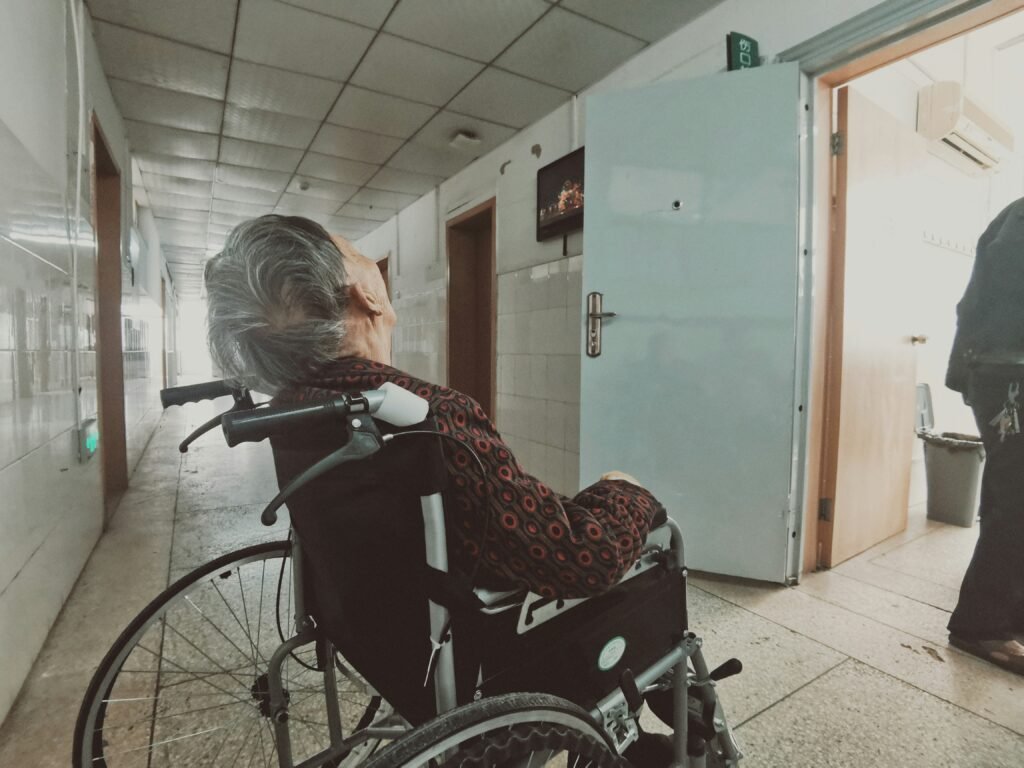
The stages of dying can be divided into pre-active and active dying phases, which help caregivers and families understand the changes they may observe in the person’s health.
Pre-Active Dying Stage
This stage often lasts several weeks before death. Key signs include:
- Increased sleep: The person may sleep for long periods, and waking hours may become shorter.
- Withdrawal from loved ones: The person may begin to distance themselves emotionally, wanting less social interaction.
- Decreased interest in food and water: As the body slows down, the need for nourishment diminishes.
Active Dying Stage
This is the final stage and typically lasts from hours to days. The active dying stage is when the physical and emotional signs become more pronounced:
- Labored breathing: The person may begin breathing more slowly or intermittently, sometimes making a gurgling or rattling sound due to fluid in the lungs.
- Unconsciousness: The person may fall into a deep, unresponsive state and may not wake up.
- Loss of control over bodily functions: Incontinence or a complete inability to move may occur.
It’s essential to recognize these stages early so you can provide the best care possible. For a deeper look into the stages of death and the changes that occur during this time, check out The Mayo Clinic.
How to Provide Care for Someone Who Is Dying
Caregiving during the dying process requires both emotional support and physical comfort. Here are some essential steps to ensure a peaceful and supportive environment:
- Create a Comfortable Environment: Keep the room quiet and calm, with dim lighting and minimal noise. Let the person rest as much as possible and avoid overwhelming them with visitors.
- Manage Pain and Symptoms: Work with medical professionals to ensure that the person’s pain and discomfort are well-managed. This may include painkillers, anti-anxiety medication, or other hospice treatments.
- Emotional Support: Be there for the individual during their final days. Offer comfort, hold their hand, and listen to them without judgment. Respect their need for space but also be present if they wish to communicate.
For more guidance on end-of-life care, refer to resources like CaringInfo and Hospice Care.

When to Seek Professional Help or Hospice Care
Knowing when to seek professional help is vital in ensuring the comfort of someone who is dying. Here are some indicators that it’s time to transition to hospice care:
- Frequent medical crises: If the person has frequent hospitalizations or requires more specialized care.
- Uncontrolled symptoms: When pain, breathing difficulties, or other symptoms become difficult to manage at home.
- Approaching death: If the person is in the active dying stage, hospice care can provide essential services to manage symptoms and offer support.
Hospice care is designed to ensure comfort and quality of life during the final stages. Learn more about when to choose hospice care from Hospice Care.
Conclusion
Recognizing the signs of dying and understanding the stages of dying process can help caregivers, families, and even individuals facing terminal illness prepare for this inevitable life event. By identifying both physical changes near death and emotional and psychological signs, you can provide the necessary care, comfort, and support for your loved one. It’s essential to be aware of when to transition to professional care such as hospice services to ensure the dying person’s wishes are respected.
Remember, while the process of dying can be difficult, being informed and prepared can bring peace and comfort to both the individual and their loved ones during the final days.
For additional resources on end-of-life care, please visit: